About Muk Kutbun Lewin
Discover the story behind Muk Kutbun Lewin a unique platform dedicated to sharing the history, culture, and stories of First Nations people in Australia. Learn about our origins and what makes us special.
Above co-owner of Muk Kutbun Lewin website.
Muk Kutbun Lewin originally began as a project for the Karnang Music/Media service, which shares the history, culture, and stories of First Nations people. The concept is to establish an independent first peoples platform run and administered by the Wruktan Kani people of Karnang (Gippsland).The platform is presented by co-founding member of First Nations reggae/rock band No Fixed Address, (Ngaragul) Ricky Harrison.
Ricky is also a graduate of the University of South Australia and studied at Monash University, Churchill Victoria and University of Southern Queensland, where he studied Anthropology and Archeology.
He worked an Aboriginal Educator at Primary and Secondary schools in Moe and a Student Support Teacher at TAFE Gippsland in Newborough, teaching Aboriginal history and culture.
Ricks also worked as a Site Officer for the Gunai/Kurnai Land and Water Aboriginal Corporation and also sat on the secretariat committee in the early 2000s.
Above Ricky Harrison far right with No Fixed Address 1981.
Ricky Harrison
Ricky Harrison is a singer songwriter musician and music producer in his own right and has continued to write and create music videos for his work over the years. He began his career in music at 16 years old when he co-founded indigenous band Black Satin with his cousins Nicky Moffatt, Wayne Thorpe, Tony Hood and later Sam Mobourne. In 1979 he moved to Adelaide where he became a student at the Centre for Aboriginal Stidies in Music (CASM) and co-founding indigenous band No Fixed Address. In 1986 left the band Rick and studied a degree in history, culture and administration at the School of Aboriginal Affairs and Adminstration at the University of South Australia in Adelaide.
Ricky Harrison feat Kamarangan - Ancient Land.
Ancient land is a song about the affects of colonisation on indigenous people. Ancient Land features Kamarangan on vocals, harmonies and RJ on bass and keyboards. The song was part recorded and mixed down by Brent Hodgkin at Bruthen Recording studies in Gippsland.

What we offer
This website offers insight into the history, culture, stories, music, language, and social organisations of traditional and modern First Nations people of Australia. Through news items in newsletters, podcasts, and video stories, we aim to provide a comprehensive look into First Nations society. Explore our page to learn the Wruktan-kani (people of the land), of Karnang (Gippsland) in Victoria, Australia.

Our commitment
AtMuk Kutbun Lewin, we are committed to raising brand awareness and showcasing the rich heritage of First Nations people. As part of Karnang Media/Music, a podcast production company based in Mowell, Victoria Australia, we strive to attract customers and share valuable news and blog posts. Our goal is to create a platform where you can connect with and learn about the vibrant First Nations society.
"Muk Kutbun Lewin is an invaluable resource for understanding and celebrating First Nations culture. The stories shared here are both educational and deeply moving."
What makes the Early History of Gippsland page unique is its commitment to historical truth-telling. We explore accounts and perspectives from early settlers and dedicated researchers in Gippsland, offering a multi-faceted view of the past and ensuring a comprehensive understanding of historical events and their impact.
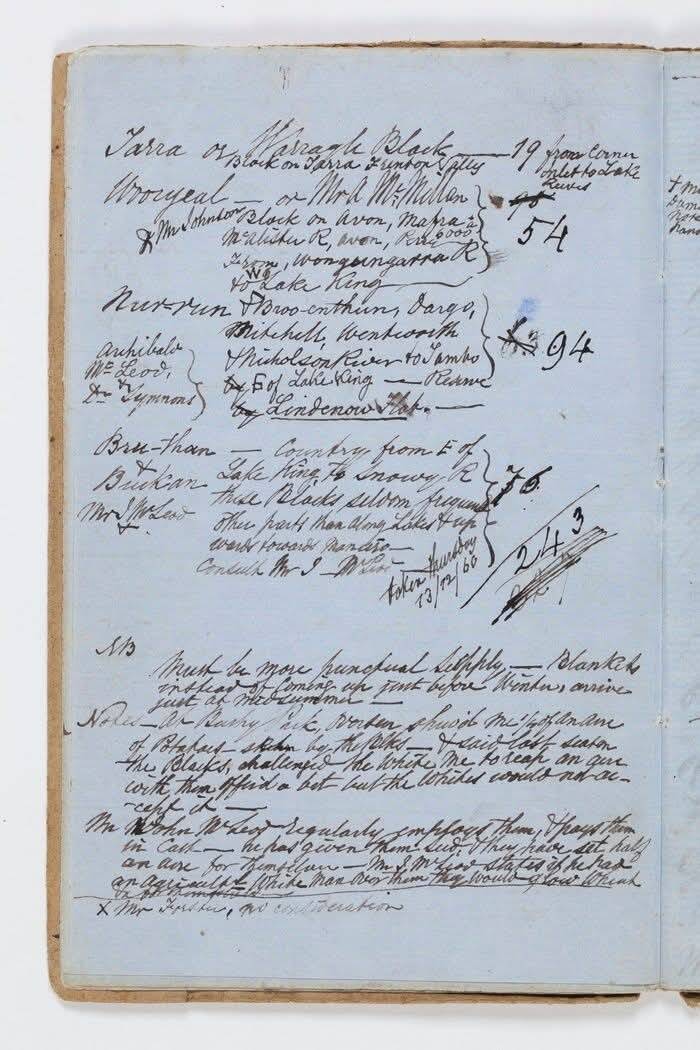
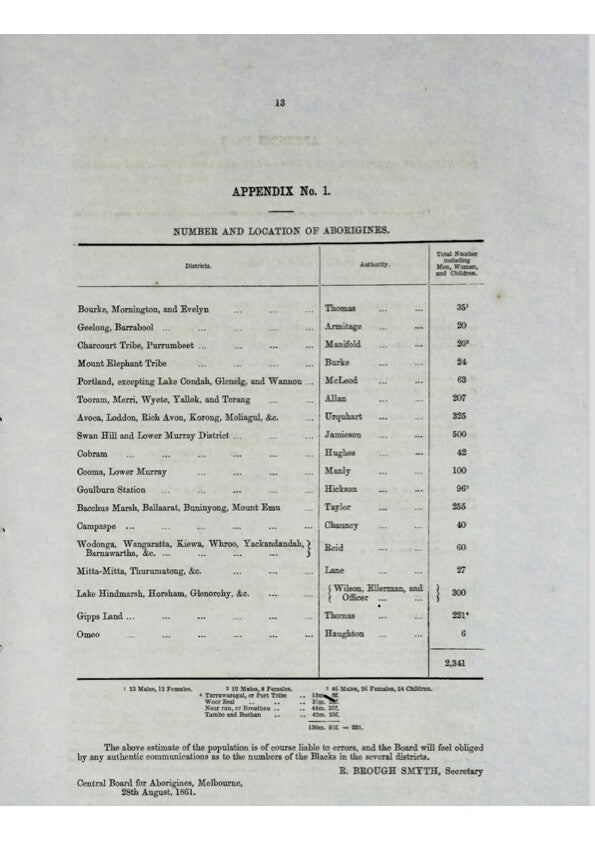
Research material was gathered from members of the Wruktan Kani (first people of the land) living in (Karnang) Gippsland in the 1850s-60s.
The Prima face account of the Wruktan Kani, the first people of the land in Gippsland during the 1850s-60s, can provide significant insights into their culture, lifestyle, interactions with European settlers, and the impact of colonisation on their community.
Overall, the 1840s-60s marked a time of considerable upheaval for Indigenous Australians due to European expansion, particularly during the gold rush era, which increased settlement pressure on their lands.
Key Areas of Focus:
1. Cultural Practices: Understanding the traditional practices, beliefs, and social structures of the Wruktan Kani, including their connection to the land, language, and art forms.
2. Historical Context: Examining the socio-political landscape of Gippsland during the 1840s-60s, including interactions with explorers and settlers, and the effects of land dispossession.
3. Resistance and Adaptation: Investigating any resistance movements or adaptations that the Wruktan Kani made in response to colonisation, including changes in their economic practices.
4. Legacy and Recognition: Discussing the long-term impacts of colonization on the Wruktan Kani people and their ongoing efforts for recognition and rights.